Application Artwork Design Guidelines
iPadsOutdated Devices
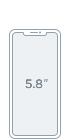 | 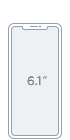 | 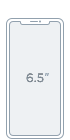 | | | | 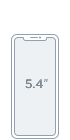 | |  | ||
|---|---|---|---|---|---|---|---|---|---|---|
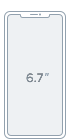
| X, XS | XR | XS max | 11 | 11 Pro | 11 Pro Max | 12 mini | 12, 12 Pro | 12 Pro Max | ||
| @3x | @2x | @3x | @2x | @3x | @3x | @3x | @3x | @3x | ||
| XCode points: | 375×812 | 414×896 | 414×896 | 414x896 | 375x812 | 414x896 | 360x780 | 390x844 | 428x926 | |
| Screen resolution: | 1125×2436 | 828×1792 | 1242×2688 | 828x1792 | 1125x2436 | 1242x2688 | 1080x2340 | 1170x2532 | 1284x2778 | |
| Launch screen: | 1125×2436 | 828×1792 | 1242×2688 | 828x1792 | 1125x2436 | 1242x2688 | 1080x2340 | 1170x2532 | 1284x2778 | |
| App icon: | 180×180 | 120×120 | 180×180 | 120x120 | 180×180 | 180×180 | 180×180 | 180×180 | 180×180 | |
| App Store icon: | 1024×1024 | 1024×1024 | 1024×1024 | 1024×1024 | 1024×1024 | 1024×1024 | 1024×1024 | 1024×1024 | 1024×1024 | |
| Spotlight icon: | 120×120 | 80×80 | 120×120 | 80x80 | 120×120 | 120×120 | 120×120 | 120×120 | 120×120 | |
| Settings icon: | 87×87 | 58×58 | 87×87 | 58x58 | 87×87 | 87×87 | 87×87 | 87×87 | 87×87 | |
| Toolbar & navigation icons (approx.): | 84×84 | 56×56 | 84×84 | 56x56 | 84×84 | 84×84 | 84×84 | 84×84 | 84×84 | |
| Tab bar icon (approx.): | 75×75 | 50×50 | 75×75 | 36×36 | 54×54 | 54×54 | 54×54 | 54×54 | 54×54 | |
| Web clip icon: | 180×180 | 120×120 | 180×180 | 120x120 | 180x180 | 180x180 | 180x180 | 180x180 | 180x180 |
 |  |  |  |  |  | ||
|---|---|---|---|---|---|---|---|
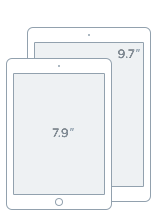
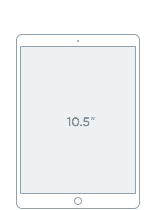
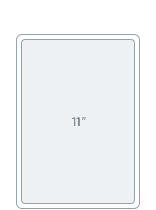
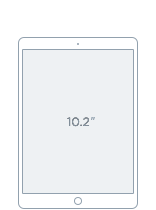
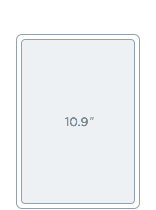
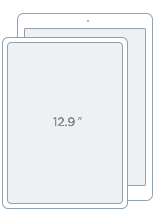
| iPad mini, iPad Air, iPad Pro 9.7” | iPad Pro 10.5” | iPad Pro 11” | iPad 10.2" | iPad Air 10.9" | iPad Pro 12.9” | ||
| @2x | @2x | @2x | @2x | @2x | @2x | ||
| XCode points: | 768×1024 | 834×1112 | 834×1194 | 810x1080 | 820x1180 | 1024×1366 | |
| Screen resolution: | 1536×2048 | 1668×2224 | 1668×2388 | 1620x2160 | 1640x2360 | 2048×2732 | |
| Launch screen: | 1536×2048 | 1668×2224 | 1668×2388 | 1620x2160 | 1640x2360 | 2048×2732 | |
| App icon: | 152×152 | 167×167 | 167×167 | 152×152 | 167×167 | 167×167 | |
| App Store icon: | 1024×1024 | 1024×1024 | 1024×1024 | 1024×1024 | 1024×1024 | 1024×1024 | |
| Spotlight icon: | 80×80 | 80×80 | 80×80 | 80×80 | 80×80 | 80×80 | |
| Settings icon: | 58×58 | 58×58 | 58×58 | 58×58 | 58×58 | 58×58 | |
| Toolbar & navigation icons (approx.): | 56×56 | 56×56 | 56×56 | 56×56 | 56x56 | 56x56 | |
| Tab bar icon (approx.): | 50×50 | 50×50 | 50×50 | 36×36 | 50×50 | 50×50 | |
| Web clip icon: | 152×152 | 167×167 | 167×167 | 152x152 | 167×167 | 167×167 |
 |  |  | ||
|---|---|---|---|---|
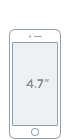
| 5, 5C, 5S, SE | 6, 6S, 7, 8 | 6/6S/7/8 Plus | ||
| @2x | @2x | @3x | ||
| XCode points: | 320×568 | 375×667 | 360×640 | |
| Screen resolution: | 640×1136 | 750×1334 | 1080×1920 | |
| Launch screen: | 640×1136 | 750×1334 | 1242×2208 | |
| App icon: | 120×120 | 120×120 | 180×180 | |
| App Store icon: | 1024×1024 | 1024×1024 | 1024×1024 | |
| Spotlight icon: | 80×80 | 80×80 | 120×120 | |
| Settings icon: | 58×58 | 58×58 | 87×87 | |
| Toolbar & navigation icons (approx.): | 56×56 | 56×56 | 84×84 | |
| Tab bar icon (approx.): | 50×50 | 50×50 | 75×75 | |
| Web clip icon: | 120×120 | 120×120 | 180×180 |
This is how your icon has to look like:
This is how your icon will look like in App Store:
AppStore icon must be named as «iTunesArtwork».
PNG (PNG-24, 8 bpc) file-format is recommended for all icons.
You don’t need to use alpha channel or alpha-mask for your icon — mask will be automatically applied by OS.
For more information visit iOS Human Interface Guidelines.
— Required — Recommended
Android devices
Android bases on different screen pixel densities. There are only 5 of them:
160 dpi @1x |
240 dpi @1.5x |
320 dpi @2x |
480 dpi @3x |
640 dpi @4x | |||
|---|---|---|---|---|---|---|---|
| Launcher icon: | 48×48 | 72×72 | 96×96 | 144×144 | 192×192 | ||
| Google Play store: | 512×512 | 512×512 | 512×512 | 512×512 | 512×512 | ||
| The first number is the size of the icon area, and the second is file size. | Action bar, dialog & tab icon | 24×24 in 32×32 | 36×36 in 48×48 | 48×48 in 64×64 | 72×72 in 96×96 | 96×96 in 128×128 | |
| Small contextual icons: | 16×16 | 24×24 | 32×32 | 48×48 | 64×64 | ||
| The first number is the size of the icon area, and the second is file size. | Notification icon: | 22×22 in 24×24 | 33×33 in 36×36 | 44×44 in 48×48 | 66×66 in 72×72 | 88×88 in 96×96 |



For more information visit Google Material Design Guidelines.